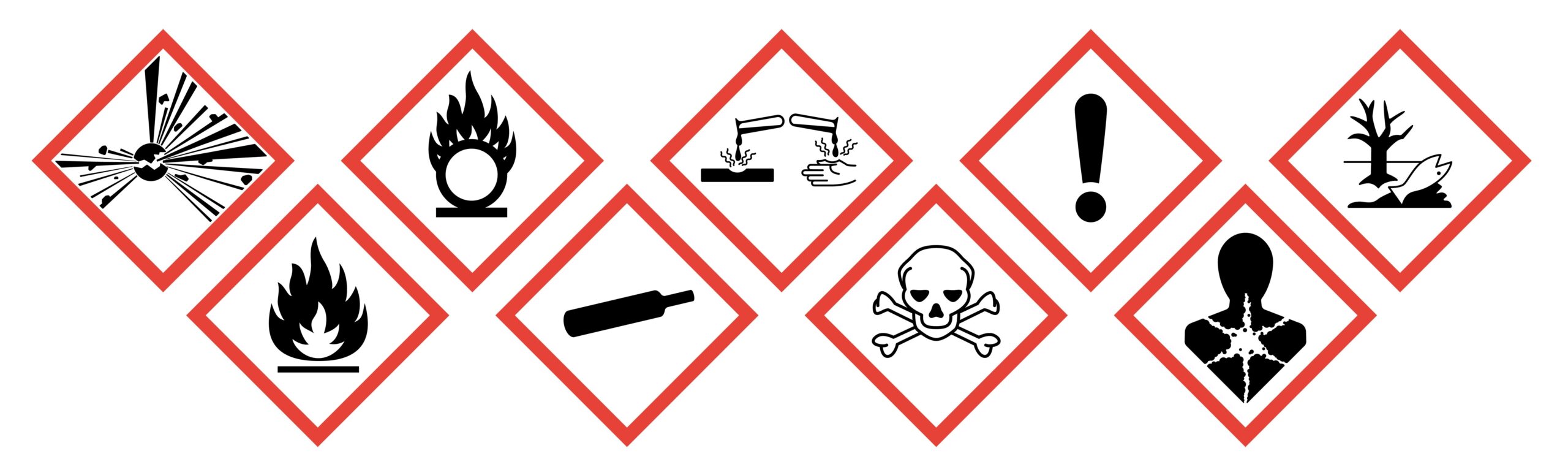
GHS Updates 2026: Practical Takeaways for SDS Managers
Introduction: Why the 2026 GHS Updates Matter for SDS Managers
SDS managers heading into 2026 are dealing with a specific kind of pressure: regulatory deadlines are converging across markets at the same time that regional requirements are diverging. Australia, New Zealand, the US, and Canada are all implementing GHS Revision 7, but each with its own hazard classes, cut-off thresholds, and compliance timelines.
The core challenge is not understanding the rules. It is maintaining a single, accurate dataset that generates compliant SDS documents across all of them, without building a separate authoring process for each country. In practice, this means reconciling different building blocks, hazard classes, and disclosure rules without creating multiple separate authoring systems.
With platforms such as ExESS, part of Lisam’s Product Stewardship solutions, companies can centralise regulatory data and ensure consistency across global operations.
Key 2026 GHS Updates for Australia and New Zealand SDS
Australia and New Zealand both follow GHS Revision 7. However, important regional differences directly affect SDS content:
- Australia: Several building blocks are optional (including Acute Toxicity Category 5, Aspiration Toxicity Category 2, Eye Irritation 2B). Environmental hazards such as Aquatic Acute and Chronic classifications are not mandatory.
- New Zealand: Requires the reclassification of some products (e.g., Skin Corrosion Category 1) and includes terrestrial hazards such as “hazardous to soil organisms” in SDS Section 12. Cut-off values for Skin Sensitiser Category 1 components start at 0.1%, compared with 1% under EU rules.
Managing these differences requires flexible rule configuration and centralised substance data, which can be supported through dedicated SDS & chemical management systems and up-to-date GHS regulatory frameworks.
How North American Regulations Affect US and Canadian SDS Managers
The latest updates to Hazard Communication standards in North America align SDS requirements with GHS Revision 7 while introducing region-specific elements:
- US (OSHA HCS 2024): New hazard classes include chemicals under pressure, desensitised explosives, and combustible dusts, alongside updated labelling rules. Revised compliance deadlines set May 19, 2026 for substances and November 19, 2027 for mixtures.
- Canada (HPR 2022): Incorporates GHS Revision 7 updates, maintains the biohazardous infectious materials classification, and defines concentration ranges for trade-secret claims.
To manage these changes, SDS managers increasingly rely on automation and integrated compliance tools such as ExESS, which support both classification updates and downstream processes like PCN submissions and UFI generation.
Practical Steps for SDS Managers to Streamline Global Updates
A single global SDS strategy significantly reduces duplication of work while ensuring full alignment with regional regulatory nuances:
- Central substances and mixtures database → store classifications for all GHS regions (Australia, New Zealand, US, Canada).
- Region-specific rules configuration → e.g., New Zealand 0.1% cut-offs, Australian mandatory emergency numbers.
- Templates for SDS generation → 16-section formats with local content adjustments (ecological info for NZ, etc.).
- Automated SDS and label generation → ensures updates cascade consistently when regulations change.
For companies managing large portfolios, combining these capabilities with substance volume tracking and reporting tools further strengthens compliance and reporting accuracy
Conclusion: GHS Updates 2026 are Essential for SDS Managers
Staying aligned with the 2026 GHS updates is ultimately about data infrastructure: one that absorbs regulatory change without creating rework at every level of the process, from classification through to labels, and downstream reporting, keeping SDS documents compliant, consistent, and harmonised across every major market.
For SDS managers handling global portfolios, the gap between reactive and proactive compliance rarely comes down to expertise. It comes down to architecture: whether the system underneath is built around a single governed dataset or a patchwork of regional workarounds that grows harder to maintain with every new deadline.
That is where purpose-built chemical compliance software makes the difference.